From EU cloud policy to disconnected data processing
Three CloudFerro announcements outline a strategy spanning European industrial policy, secure operational computing and managed generative AI. In its position on the proposed Cloud and AI Development Act, the Polish provider argues that European sovereignty should be determined by ownership, jurisdiction, intellectual property, source-code and update control, operational authority and technological dependencies—not merely by the location of infrastructure. It proposes using procurement and investment support to favour European-controlled providers and extending sovereignty requirements across cloud, AI, metadata and telemetry. Separately, CloudFerro says its containerised Bastion environment can process satellite, drone, sensor and reconnaissance data locally when connectivity is limited or unavailable. The company connects this defence initiative to experience supporting European Earth-observation programmes, including the Copernicus Data Space Ecosystem and Destination Earth Data Lake. Its Sherlock platform adds another layer: a public-preview service that ingests PDFs and presentations, performs OCR, creates embeddings and indexes content for retrieval-augmented AI assistants hosted on CloudFerro’s European infrastructure.
A sovereign stack is emerging around data-intensive European workloads
Taken together, the announcements suggest that CloudFerro wants to move beyond infrastructure hosting toward a vertically connected European data and AI stack. Its policy position defines sovereignty in terms that closely match the operating model it is promoting: European control over infrastructure, software, data, models and privileged operations. Sherlock brings managed AI functionality closer to business and public-sector users, while Bastion extends computing and analytics from central cloud environments into isolated or bandwidth-constrained locations. The recurring technology direction is therefore not simply sovereign data residency, but controlled processing across central cloud, AI services and operational edge environments. This is particularly relevant in Poland and Eastern Europe, where EU digital-sovereignty ambitions intersect with defence readiness, critical-infrastructure resilience and access to large Earth-observation datasets. CloudFerro’s references to Copernicus-related experience also indicate an attempt to translate established space-data capabilities into security, defence and enterprise AI use cases.
Product maturity and operational assurance still require scrutiny
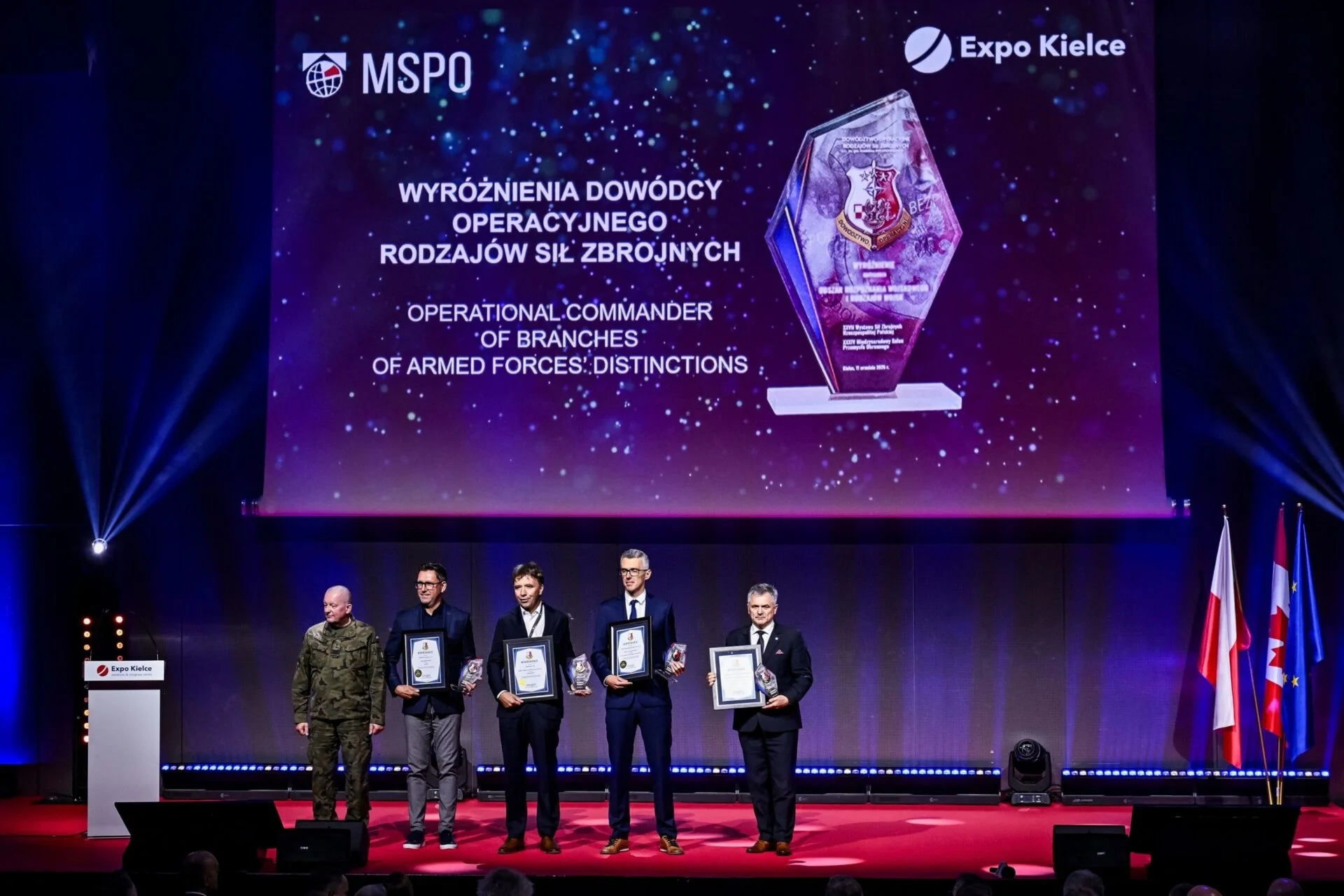
The material also leaves important questions for buyers. CloudFerro’s CADA paper is a policy proposal from an interested European provider, not an adopted regulatory framework or independent assessment of market outcomes. Its suggested procurement preferences and effective-control tests could support regional suppliers and reduce some dependencies, but they could also complicate sourcing if comparability, interoperability and exit rights are not defined rigorously. Bastion received a distinction at MSPO, yet the article supplies no independent performance results, security evaluation, deployment scale or evidence of production use by the Polish Armed Forces. The memorandum with Hanwha Systems is explicitly non-binding and exploratory. Sherlock’s Search Agents and Knowledgebases remain in public preview; the announcement describes document handling, encryption at rest and planned OpenAI Responses API compatibility, but provides no service levels, retrieval-quality benchmarks, pricing, supported scale or detailed controls for keys, identities and model governance. Eastern European organisations should therefore validate disconnected operation, data flows, auditability, workload portability and incident procedures rather than treating European location or provider origin as sufficient assurance.
Decision guidance and sources: CloudFerro’s CADA position, Bastion at MSPO 2026 and Sherlock Search Agents and Knowledgebases
For IT decision-makers in Poland and the wider Eastern European region, CloudFerro merits consideration where data sovereignty, Earth-observation processing, regulated AI or operation with unreliable connectivity are central requirements. The strategic coherence is notable: the provider’s position on European cloud and AI control supplies the policy rationale, its Bastion defence and edge-computing announcement applies that rationale to operational environments, and the Sherlock managed-RAG update brings it into enterprise AI. That coherence should not substitute for due diligence. Buyers should map every software, model, support and telemetry dependency; require evidence for security and resilience claims; test operation during network isolation; and establish contractual portability and exit provisions. CloudFerro’s direction reflects a broader regional opportunity: Poland can serve as a link between EU-controlled cloud infrastructure, Copernicus-scale data processing and security-focused edge AI. Whether that becomes a durable alternative will depend on product maturity, independently demonstrable assurance and practical interoperability rather than sovereignty messaging alone.
