Connected endpoints and practical 5G access
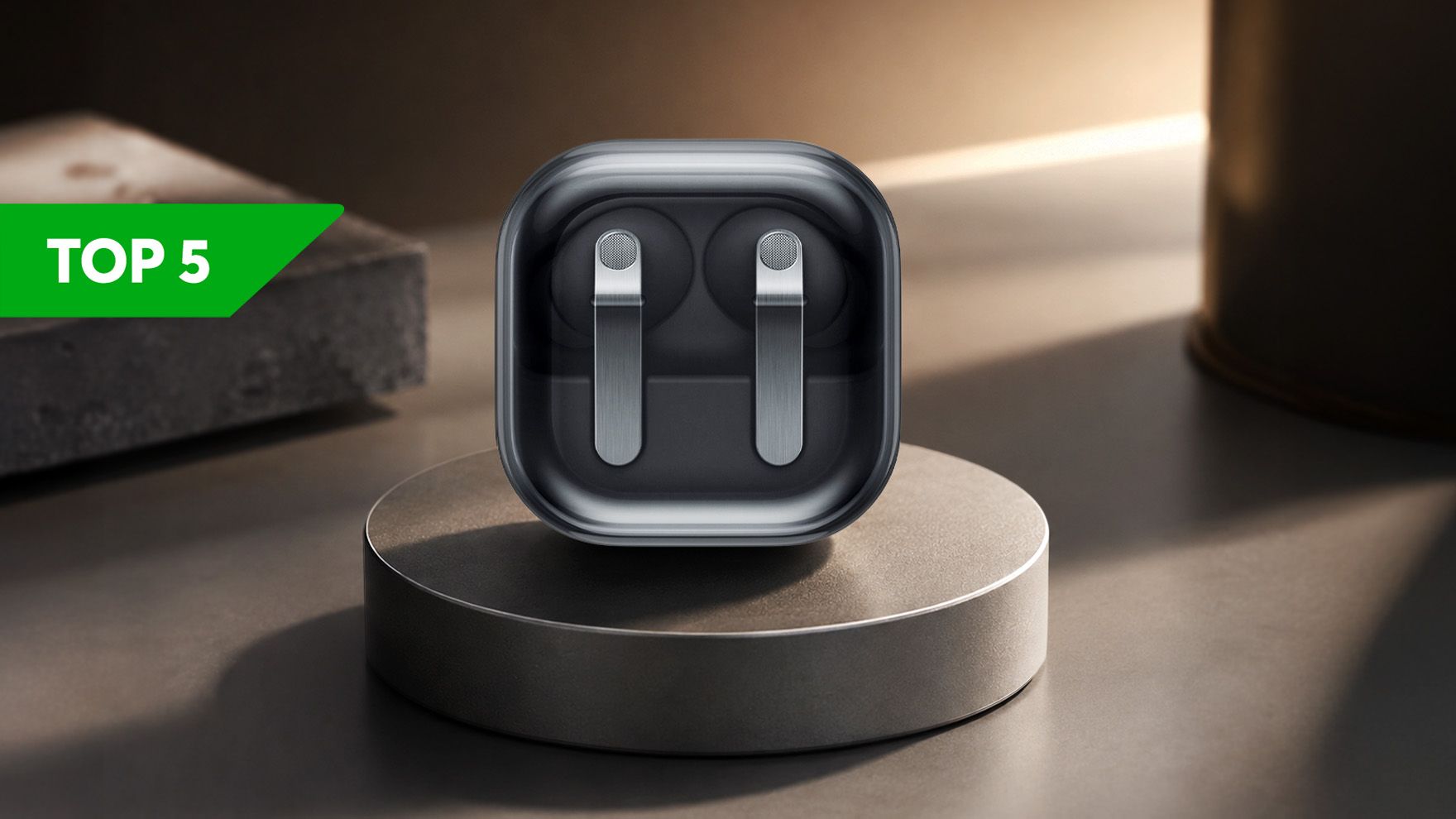
Bite’s selected Lithuanian material concentrates on the technologies connecting users and devices at the network edge. Its router guidance covers activation of 5G home internet equipment, APN and Wi-Fi configuration, connection priorities, password changes and factory resets. Its Apple Watch guidance emphasizes eSIM, operation without a nearby phone, health monitoring and integration with Apple’s wider device ecosystem. The wireless-earbud assessment similarly highlights ecosystem compatibility, while attributing adaptive noise cancellation and environmental sound adjustment to artificial intelligence in selected Samsung devices. These are provider and manufacturer claims presented by Bite, rather than independently tested capabilities.
The emerging trend is an edge ecosystem, not a defined cloud platform
Taken together, the articles suggest that Bite’s immediate technology priority is reducing friction around connected-device adoption: supplying 5G access equipment, explaining configuration and promoting endpoints that remain useful through eSIM, automation and ecosystem integration. AI appears here as an embedded device feature rather than as a cloud service, enterprise model platform or data-processing proposition. The strategic interpretation for Lithuania—and for organizations considering consistent user experiences across nearby Latvian operations—is that Bite is positioning connectivity as the foundation for increasingly autonomous endpoints. This could support cloud access and distributed work, but the supplied material does not establish a distinct Bite cloud portfolio or an integrated AI-and-cloud strategy.
Ecosystem dependence and enterprise requirements need scrutiny
The direction carries practical limitations. Several promoted capabilities depend on particular Apple, Samsung, ZTE, Zowee or JBL products, and Bite itself notes that some earbud functions are unavailable outside the matching manufacturer ecosystem. That dependency can complicate mixed-device estates, lifecycle management and procurement. Router setup assistance is operationally useful, but instructions for passwords, APNs and factory resets do not demonstrate centralized administration, identity controls, security monitoring or managed configuration. The sources also provide no enterprise service levels, resilience data, performance tests, cloud interconnection details, support boundaries or geographic evidence for Latvia. Decision-makers should therefore validate coverage, security responsibilities, device-management options and contractual support instead of treating consumer-oriented product claims as proof of business readiness.
Decision view — Apple Watch guidance, 5G router guidance and wireless-earbud assessment
For IT decision-makers in Eastern Europe, Bite’s strongest signal in these sources is competence at the access and endpoint layer: practical 5G equipment onboarding, eSIM-enabled wearables and growing attention to device-level automation. That may make Bite relevant when evaluating mobile-first workplaces, wireless backup access or connected-device programs in Lithuania, with separate validation required for Latvia. It is not sufficient evidence for selecting Bite as a cloud or enterprise AI provider. A sensible evaluation should use the router configuration material to assess deployment effort, the Apple Watch and eSIM material to examine endpoint independence, and the earbud assessment to understand ecosystem constraints. Bite should then be compared on verified coverage, manageability, security, support and contractual terms.
