A portfolio direction spanning AI, security and efficiency
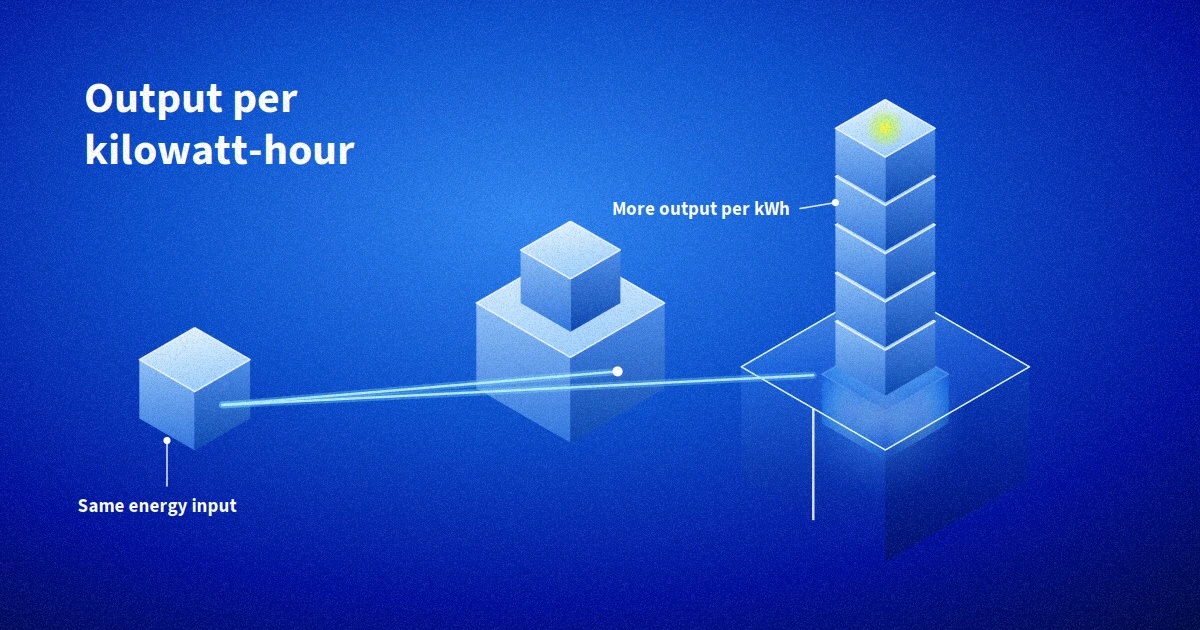
OVHcloud’s October and November 2026 publications place sovereign AI alongside infrastructure efficiency, security operations and open tooling. The provider presents its AI direction as extending “from infrastructure to models,” while describing output per kilowatt-hour as a prospective benchmark for sustainable datacentres. Its ecosystem agenda includes the provider’s claim that Scality RING is the first partner solution certified for OPCP Core. Security-related items cover critical PHP vulnerabilities affecting Bare Metal and VPS users and a php2shell response that OVHcloud says protected more than six million websites. A technical article on encrypting OpenTofu state with OVHcloud KMS connects key management with infrastructure-as-code workflows. These are provider-published claims and topics rather than independently verified measurements, but together they show attention to the full operating stack: physical infrastructure, cloud platforms, developer controls, partner software and incident response.
Sovereignty is becoming an architectural proposition
The emerging trend is OVHcloud’s attempt to make sovereignty more than a data-location message. Its stated AI direction links infrastructure and models, while OPCP Core partner certification points toward an ecosystem in which external software can operate within an OVHcloud-defined platform framework. KMS integration with OpenTofu similarly suggests that the provider wants governance and encryption embedded in routine engineering processes rather than added after deployment. For Western European organisations, this direction is regionally relevant because regulatory control, portability, energy use and operational autonomy frequently influence cloud design. The sustainability and security themes reinforce the same proposition: sovereign cloud must be operable, defensible and resource-efficient, not merely locally hosted. This interpretation does not establish product maturity or customer adoption, but it does indicate that OVHcloud is aligning its AI and cloud strategy around controllable infrastructure and an open-technology ecosystem.
Claims still require workload-level validation
Buyers should not treat thematic alignment as proof of implementation quality. The supplied material does not provide comparable performance results, certification criteria, pricing implications, service-level outcomes or details about where each capability is available. “Sovereign AI” can also encompass materially different controls over data, models, support access and supply chains; each needs contractual and technical examination. The sustainability proposition requires underlying methodology, system boundaries and auditable measurements before output per kilowatt-hour can support procurement comparisons. Likewise, the reported php2shell protection scale is an OVHcloud claim and does not by itself demonstrate response times or protection levels for every service. OPCP Core certification may improve ecosystem coherence, but decision-makers should review interoperability, upgrade responsibilities, support boundaries and exit procedures. KMS-backed state encryption should be tested against recovery, key rotation, identity and automation requirements.
Decision guidance from OVHcloud’s sovereign-AI direction and datacentre-efficiency proposal
For Western European IT leaders, OVHcloud merits evaluation where infrastructure control, European sovereignty considerations and support for open operational tooling are important selection criteria. The appropriate next step is a proof of concept that tests governance, portability, incident handling, energy reporting and AI lifecycle controls against the organisation’s own requirements. Relevant provider sources include the Scality RING certification announcement, the OpenTofu state-encryption guidance, OVHcloud’s account of its php2shell response and its guidance for critical PHP vulnerabilities. CloudInsights’ assessment is that these initiatives form a coherent strategic direction, but procurement decisions should depend on demonstrated controls and service outcomes rather than the sovereignty label alone.
