AI-ready facilities and Swedish data control shape the proposition
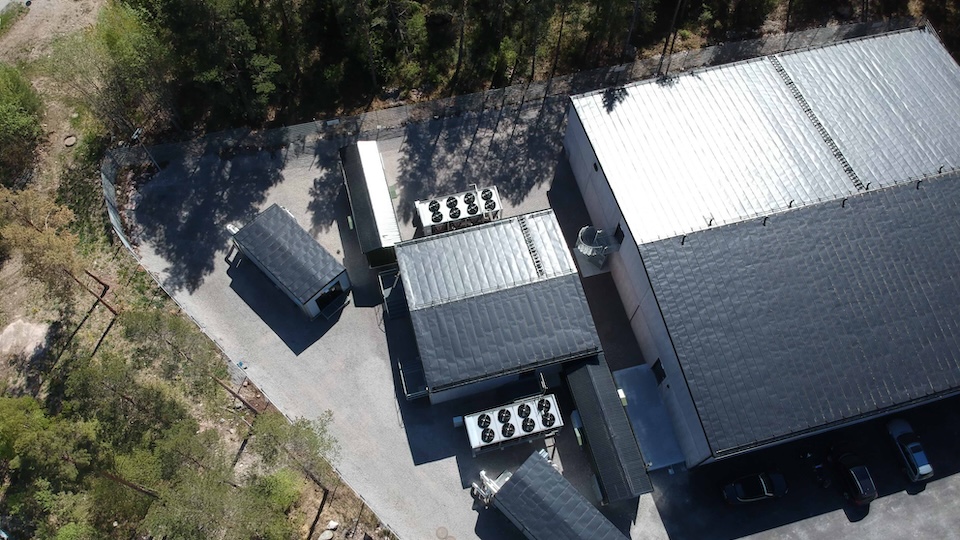
Across three 2026 articles, Binero presents a combined Swedish cloud and colocation proposition built around physical proximity, regulatory control and increasingly power-intensive computing. The provider says its Vallentuna data centre uses renewable energy and supplies reusable heat to local residents. It also describes A+B power, cooling and network infrastructure, rack-level access controls, 24/7 customer access and support, and Security Class 3 and Alarm Class 3 facilities. In its discussion of AI, Binero argues that GPU clusters are raising requirements for power capacity, cooling, redundancy and energy efficiency. Its cloud article adds data location, encryption, access control, traceability, backup and contractual responsibilities as selection criteria for organisations subject to GDPR. These operational and security details are provider claims rather than independently verified findings.
The emerging trend is sovereign infrastructure spanning cloud and customer-owned hardware
The recurring theme is not AI software but the infrastructure required to operate demanding and regulated workloads in Sweden. Binero appears to be positioning local colocation and its Swedish cloud services as complementary options: organisations can retain dedicated hardware where necessary while using scalable infrastructure, object storage, backup, disaster recovery or managed services elsewhere in the environment. This direction is relevant to the Nordic market, where data jurisdiction, access to facilities, energy sourcing and heat reuse can influence procurement alongside price and scalability. AI strengthens that positioning because dense GPU environments place greater emphasis on power and cooling, while sensitive datasets increase the importance of governance. The strategic proposition is therefore one of local operational control and cloud flexibility rather than a broad claim to leadership in AI models or applications.
Capacity, compliance and sustainability claims require procurement-level scrutiny
The articles do not provide quantified power density, available capacity, cooling performance, energy-efficiency metrics, service-level commitments, recovery objectives, cloud performance results or comparative pricing. Nor do they specify the technical architecture available for GPU clusters or demonstrate customer deployments of AI infrastructure. Binero identifies ISO 27001 and ISO 9001 certification and detailed physical safeguards, but buyers should verify current certification scope, audit evidence, incident procedures and contractual remedies. Renewable electricity and heat reuse are relevant sustainability attributes, yet procurement teams still need measured energy and emissions data to compare facilities consistently. Swedish or EU data storage can simplify some transfer considerations, but it does not by itself establish GDPR compliance; customers remain responsible for configuration, lawful processing, retention, access governance and supplier-chain assessment.
Decision guidance and sources: AI and future colocation, Stockholm colocation and secure cloud services
For Nordic IT decision-makers, Binero merits consideration where Swedish data location, proximity to Stockholm, access to customer-owned equipment and integration between cloud services and colocation are material requirements. Its stated direction fits hybrid environments that cannot place every workload in a standard public-cloud model, particularly when governance or specialised hardware matters. Evaluation should nevertheless move from positioning to evidence: request workload-specific power and cooling limits, cloud and network architecture, SLAs, backup and recovery tests, data-processing terms, subcontractor details, certification scope, sustainability measurements and a clear expansion roadmap for AI-scale demand. The relevant provider statements are available in Binero’s assessment of AI-driven data-centre requirements, its description of the Vallentuna colocation facility and its guidance on Swedish cloud services and GDPR.
