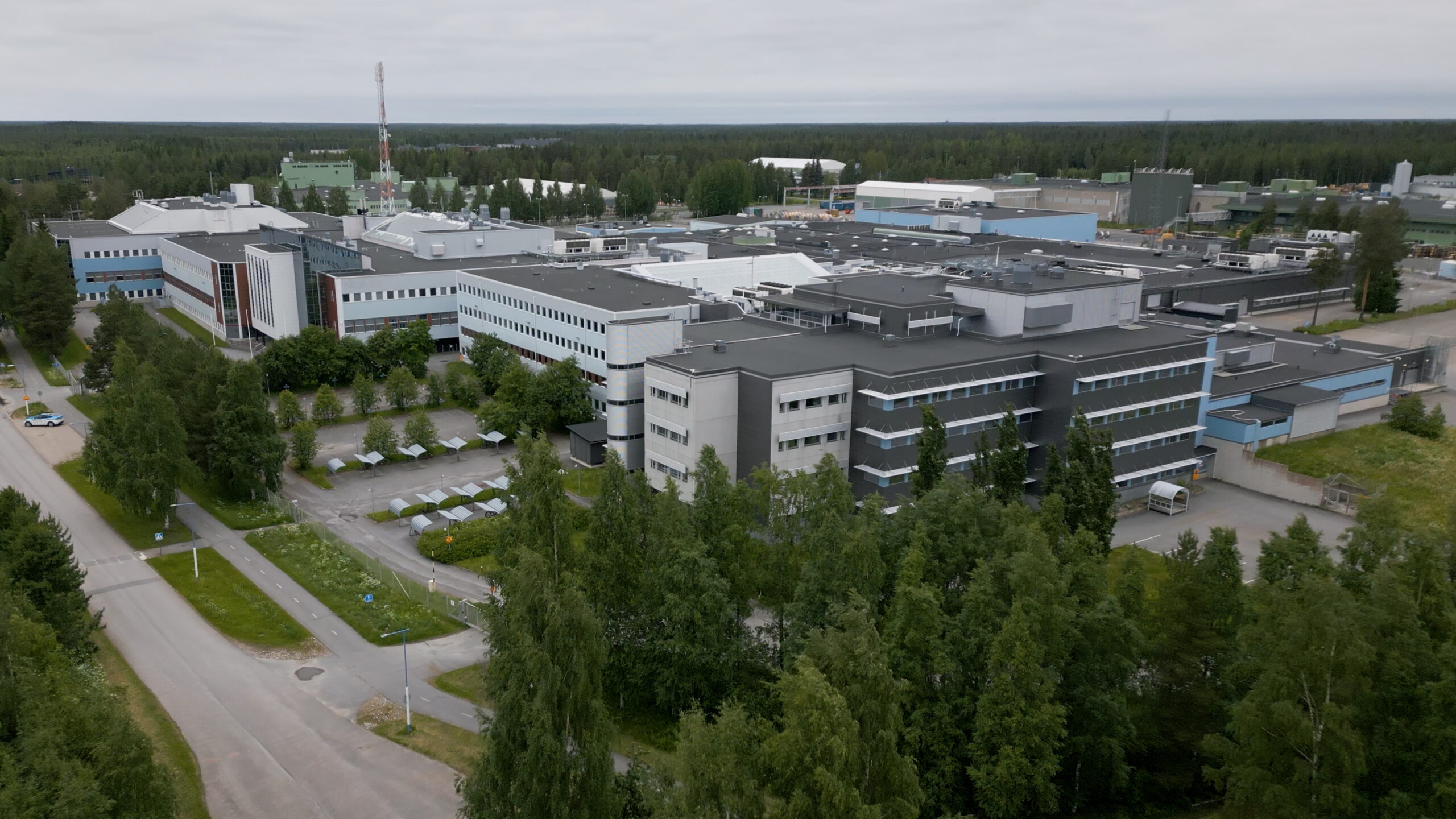
Oulu capacity anchors a broader infrastructure proposition
GleSYS says it is converting a former industrial facility in Oulu, Finland, into a data center campus designed for AI and other high-density workloads. The provider targets initial capacity for November 2026 and describes long-term potential of up to 300 MW. Its plans include new fiber infrastructure, support for liquid cooling, green electricity and possible integration of surplus heat into local energy systems. GleSYS positions the campus as an extension of its colocation, dedicated hardware, cloud and hybrid infrastructure portfolio. In a separate regulatory overview, the company links its Swedish and Finnish operations and European ownership to customer concerns about jurisdiction, portability and access control. Its 2025 sustainability report adds an operational dimension: GleSYS reports 100% renewable electricity backed by Guarantees of Origin, a weighted-average PUE of 1.27, reuse of 3,696 MWh of residual heat and server lifespans of up to ten years through repair and refurbishment. These are provider-reported figures and claims rather than independently verified CloudInsights findings.
The emerging strategy is sovereign, high-density Nordic infrastructure
Taken together, the articles indicate that GleSYS is not treating AI merely as a cloud software opportunity. Its direction is physical and operational: denser racks, stronger floors, liquid cooling, dependable fiber routes and expandable power capacity. At the same time, it is presenting European jurisdiction and regulatory alignment as integral infrastructure characteristics rather than optional compliance features. The recurring strategic theme is therefore controlled growth: combine Nordic power and climate conditions with locally operated IaaS, hybrid architecture and clearer data-location choices. Oulu also signals greater relevance for Finland within a footprint spanning Sweden and Finland. For Nordic buyers, the proposition is that AI-era capacity, sovereignty and sustainability can be addressed through the same regional infrastructure design. This is an interpretation of GleSYS’s stated priorities; the supplied material does not establish customer adoption or competitive position.
Ambitious capacity does not remove delivery and compliance risk
Several points require buyer scrutiny. The 300 MW figure represents long-term potential, not delivered capacity, and the supplied articles do not confirm that the targeted November opening, later construction phases or heat-reuse plans have been completed. Brownfield reuse can reduce the need for new construction, but GleSYS itself describes unexpected discrepancies in inherited cabling and the need to replace flooring, illustrating execution risk. High-density deployments also depend on the available power, cooling configuration, network resilience and service-level commitments for each phase. The sustainability metrics come from GleSYS’s own report; buyers should inspect calculation boundaries, Guarantees of Origin, PUE methodology and the distinction between operational electricity claims and full lifecycle impact. Its regulatory article is similarly a provider interpretation of a changing legal environment. Organizations affected by NIS2, DORA, the Data Act, the Cyber Resilience Act or the AI Act should validate obligations with legal and security specialists and test portability, audit, incident-response and exit provisions contractually.
Decision guidance and sources: Campus Oulu development, EU sovereignty overview and 2025 sustainability results
For Nordic IT decision-makers, GleSYS merits consideration where European jurisdiction, Swedish or Finnish infrastructure, dedicated environments and a path toward high-density computing are material requirements. Evaluation should nevertheless focus on what is operationally available now rather than the campus’s ultimate potential. Procurement teams should request phase-specific capacity and cooling specifications, connectivity and redundancy designs, energy and heat-recovery evidence, security responsibilities, audit rights, data-portability procedures and tested exit support. They should also compare the provider’s sovereign-cloud positioning with the organization’s precise legal, operational and supply-chain requirements. The relevant provider statements are available in GleSYS’s account of the Oulu campus, its assessment of European infrastructure regulation and its summary of 2025 sustainability performance. The overall direction is coherent: GleSYS is seeking to make regional control, infrastructure density and resource efficiency mutually reinforcing, but buyers still need contractual and technical evidence for their specific deployment.
